

Es gibt Orte, die nicht nur durch Geschichte geprägt sind, sondern durch Erzählungen.
Zypern gehört dazu.
Nicht jede Geschichte, die mit der Insel verbunden ist, stammt aus Archiven oder Chroniken. Manche entstanden aus Beobachtung, aus Atmosphäre, aus einem Gefühl für einen Ort.
So wie die Geschichte von Othello.
Eine Insel als Bühne
Als William Shakespeare im späten 16. Jahrhundert sein Drama Othello schrieb, wählte er Zypern nicht zufällig als Schauplatz.
Die Insel lag an einer Schnittstelle von Welten:
Europa und dem Nahen Osten
Handel und Militär
Kulturen, die sich begegneten und manchmal widersprachen
Zypern war ein Ort, an dem sich Spannung und Schönheit gleichzeitig zeigen konnten.
Und genau diese Kombination bildet die Grundlage von Othellos Geschichte.
Kyrenia und die Atmosphäre eines Hafens
Wer heute durch die Gassen von Girne (Kyrenia) geht und den alten Hafen erreicht, versteht schnell, warum diese Insel als Kulisse für ein solches Drama gewählt wurde.
Das Meer liegt ruhig im Halbkreis.
Boote bewegen sich nur leicht.
Die Mauern des Kastells stehen fest über dem Wasser.
Es ist ein Ort, der gleichzeitig offen und geschützt wirkt.
Ein Ort, an dem Geschichten entstehen können.
Das Othello Castle – Architektur als Erinnerung
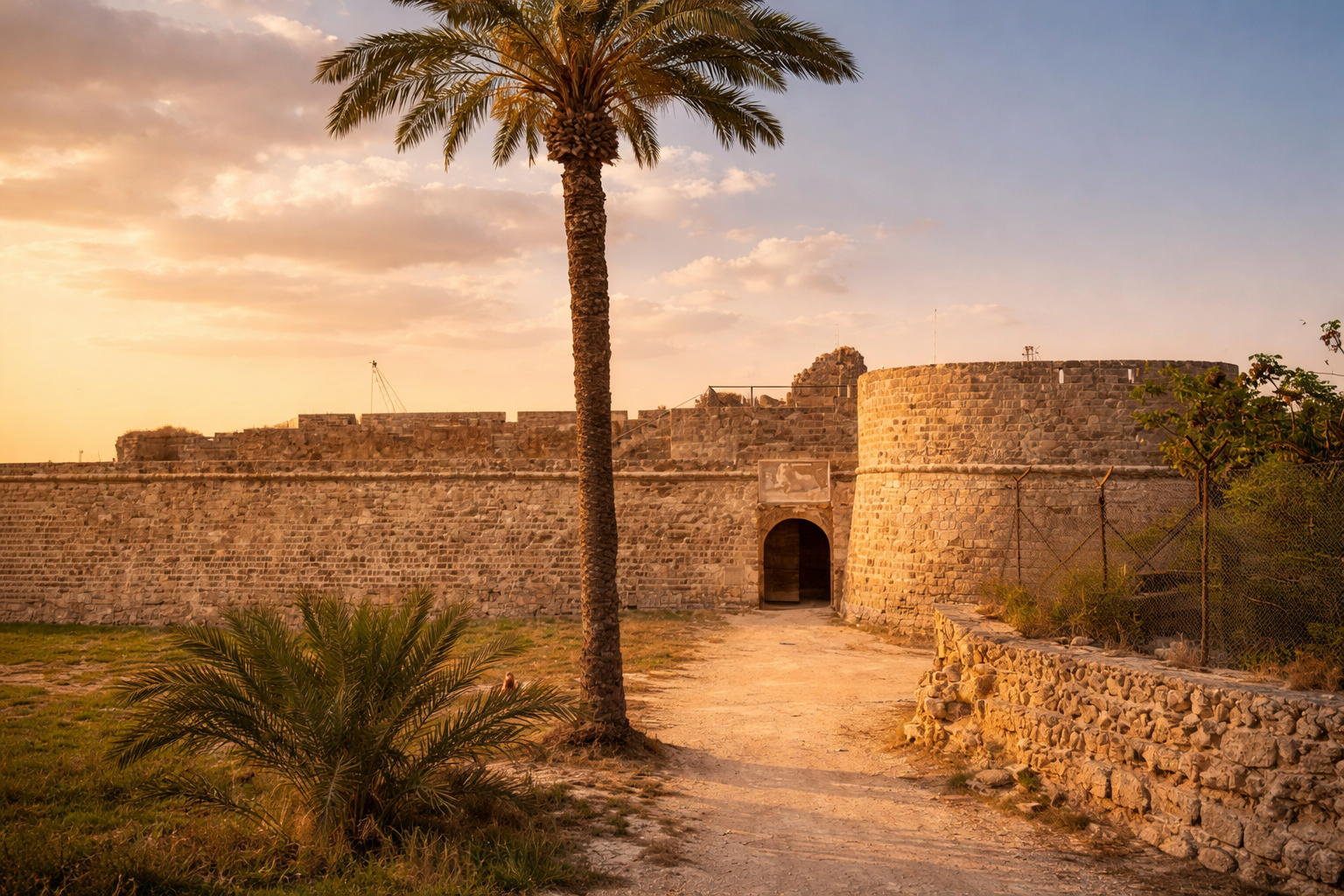
In Famagusta steht ein Bauwerk, das den Namen des Dramas bis heute trägt: das Othello Castle.
Die Festung selbst stammt aus der venezianischen Zeit, lange vor Shakespeare.
Doch im Laufe der Jahre hat sich die literarische Verbindung mit der Architektur verwoben.
Wenn man durch die schweren Steintore tritt, durch Innenhöfe geht und die Mauern betrachtet, entsteht ein Gefühl von Zeit.
Nicht als lineare Abfolge – sondern als Schichten.
Geschichte, Literatur und Gegenwart liegen hier übereinander.
Die Kraft von Geschichten in realen Orten
Literatur hat die Fähigkeit, Orte zu verändern.
Nicht physisch – sondern in der Wahrnehmung.
Ein Ort, der Teil einer Erzählung wird, bekommt eine zusätzliche Ebene.
Er wird nicht nur gesehen, sondern interpretiert.
Zypern ist ein Beispiel dafür.
Die Insel war bereits vor Shakespeare ein bedeutender Ort.
Doch durch Othello erhielt sie eine emotionale, dramatische Dimension, die bis heute spürbar ist.
Zwischen Realität und Fiktion
Othello selbst ist eine fiktive Figur.
Doch die Themen, die Shakespeare beschreibt – Vertrauen, Zweifel, Macht, Loyalität – sind universell.
Und genau deshalb funktioniert die Verbindung zur Insel so gut.
Zypern ist ein Ort, an dem Gegensätze nebeneinander existieren:
Ruhe und Bewegung
Geschichte und Gegenwart
Offenheit und Rückzug
Diese Dualität verleiht der Insel eine Tiefe, die über das Sichtbare hinausgeht.
Ein Ort für Beobachtung und Reflexion
Viele Besucher erleben Zypern zunächst über Landschaft und Klima.
Doch wer länger bleibt, erkennt schnell, dass die Insel auch Raum für Gedanken bietet.
Vielleicht ist genau das der Grund, warum sie immer wieder Teil von Erzählungen wurde.
Nicht nur bei Shakespeare.
Sondern auch in vielen kleineren, weniger bekannten Geschichten, die über Generationen weitergegeben wurden.
Die Verbindung von Kultur und Gegenwart
Heute ist Nordzypern ein Ort, an dem unterschiedliche Ebenen zusammenkommen:
historische Bauten
moderne Lebensräume
internationale Gäste
lokale Traditionen
Die Verbindung zu Othello ist dabei kein dominantes Thema – aber eine stille Präsenz.
Sie zeigt, dass dieser Ort schon lange Teil eines größeren kulturellen Raums ist.
Warum solche Geschichten wichtig sind
Für einen Standort bedeutet Geschichte mehr als Vergangenheit.
Sie schafft Kontext.
Sie gibt Tiefe.
Und sie vermittelt das Gefühl, dass ein Ort gewachsen ist – nicht nur entstanden.
Zypern ist kein künstlich entwickelter Standort.
Es ist eine Insel, die über Jahrhunderte hinweg Bedeutung hatte.
Und genau das macht sie heute für viele Menschen interessant, die mehr suchen als nur Oberfläche.
Wenn Literatur eine Küste findet
Am Ende bleibt die Erkenntnis, dass manche Orte mehr sind als das, was man sieht.
Sie tragen Geschichten in sich.
Erzählungen, die sich mit Landschaft, Architektur und Atmosphäre verbinden.
Zypern gehört zu diesen Orten.
Vielleicht ist es deshalb kein Zufall, dass Shakespeare seine Geschichte hier verankert hat.
Weil diese Insel – mit ihrem Licht, ihrem Meer und ihrer Geschichte – eine Bühne ist, auf der sich menschliche Geschichten auf natürliche Weise entfalten können.
Und wer heute durch Girne, Famagusta oder entlang der Küsten fährt, spürt manchmal genau das:
Dass dieser Ort nicht nur Gegenwart ist.
Sondern Teil einer Erzählung, die schon lange vor uns begonnen hat –
und noch lange weitergehen wird.